








QAI Semiconductors

Synthesis and STA

Optimizing designs for performance, power, and area while ensuring timing accuracy from RTL to implementation.


Driving Design Performance Through Precision

QAI provides synthesis and Static Timing Analysis services to transform RTL into optimized gate-level designs and ensure they meet critical timing requirements.

We focus on timing closure, power, area, constraints, and design performance to create implementation-ready designs with confidence.

What We Deliver

process_bg01
01
sta pg RTL Synthesis

RTL Synthesis

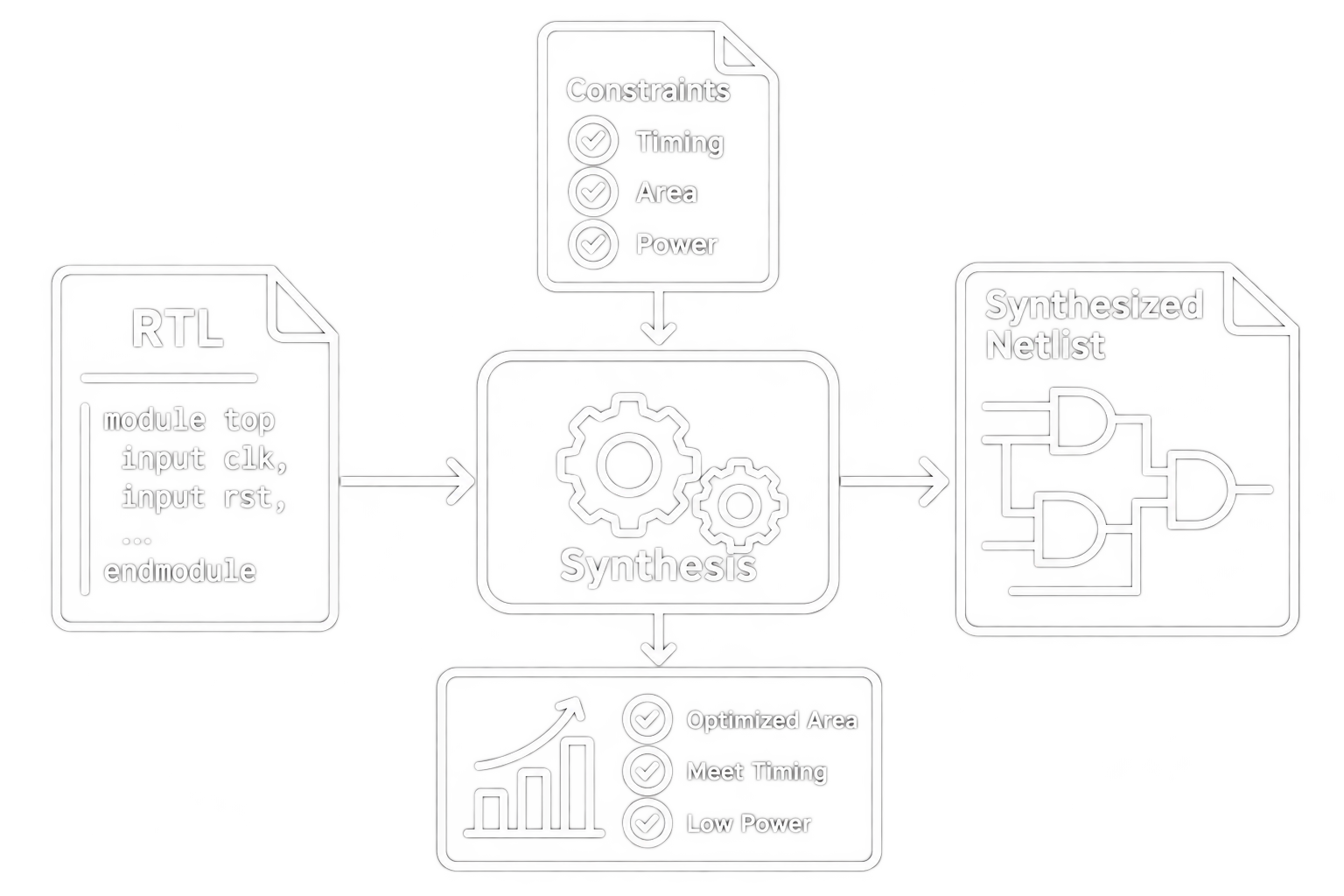
Converting RTL into optimized gate-level netlists while balancing performance, power, and area.
02
sta pg Timing Constraints

Timing Constraints

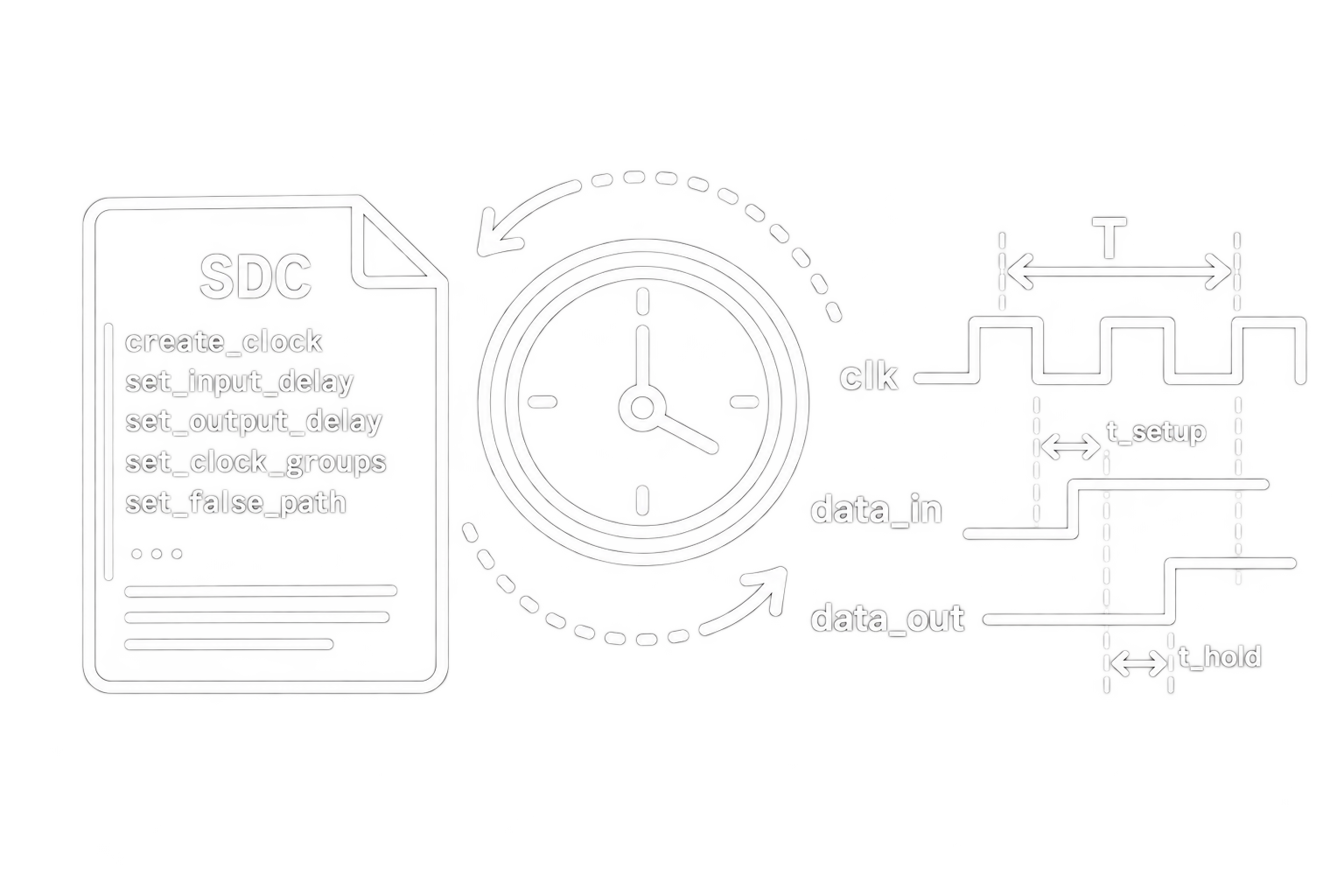
Developing and analyzing timing constraints to accurately define design intent and operating requirements.
03
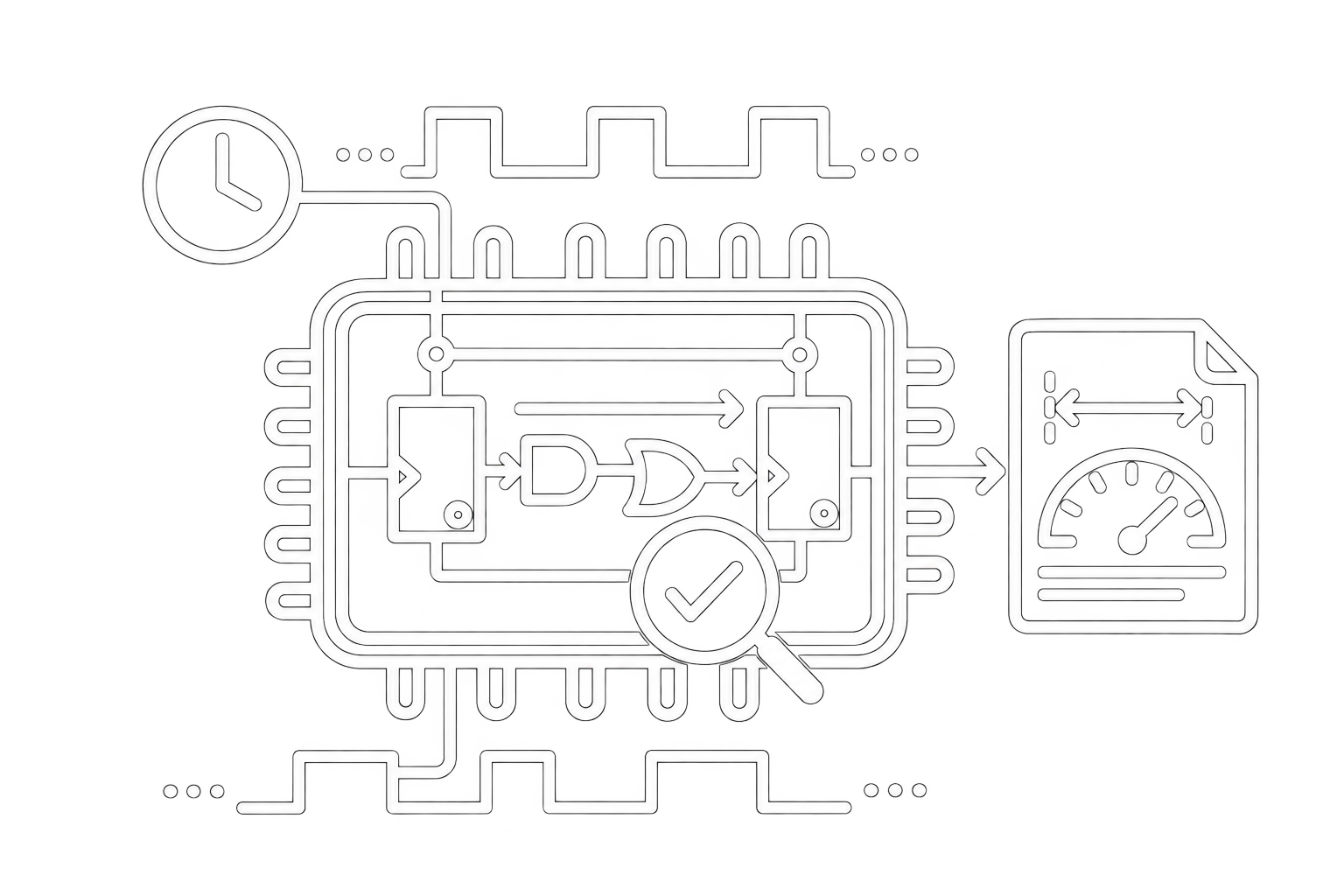
sta pg Static Timing Analysis

Static Timing Analysis

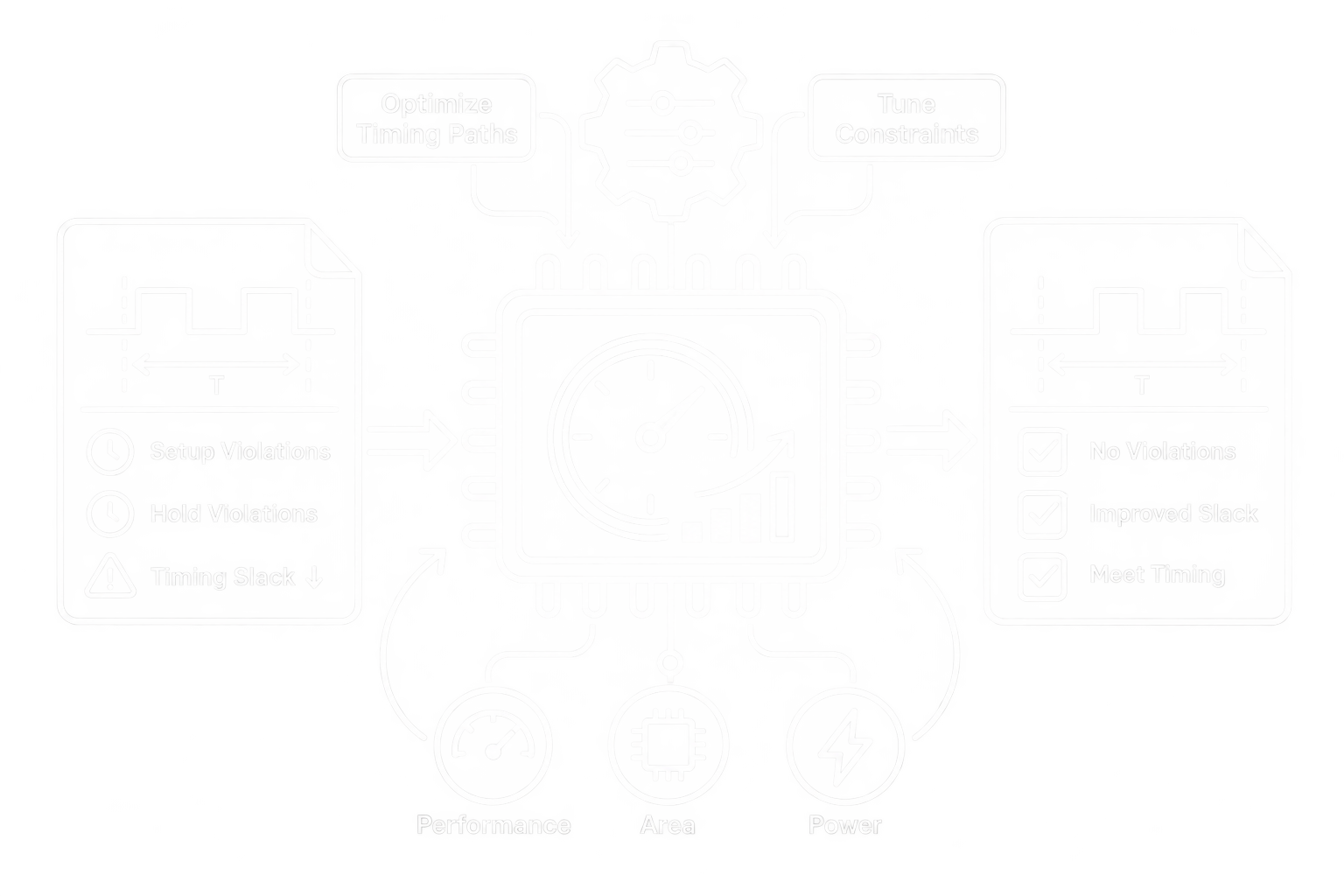
Analyzing timing paths across operating conditions to identify violations and ensure timing closure.
04
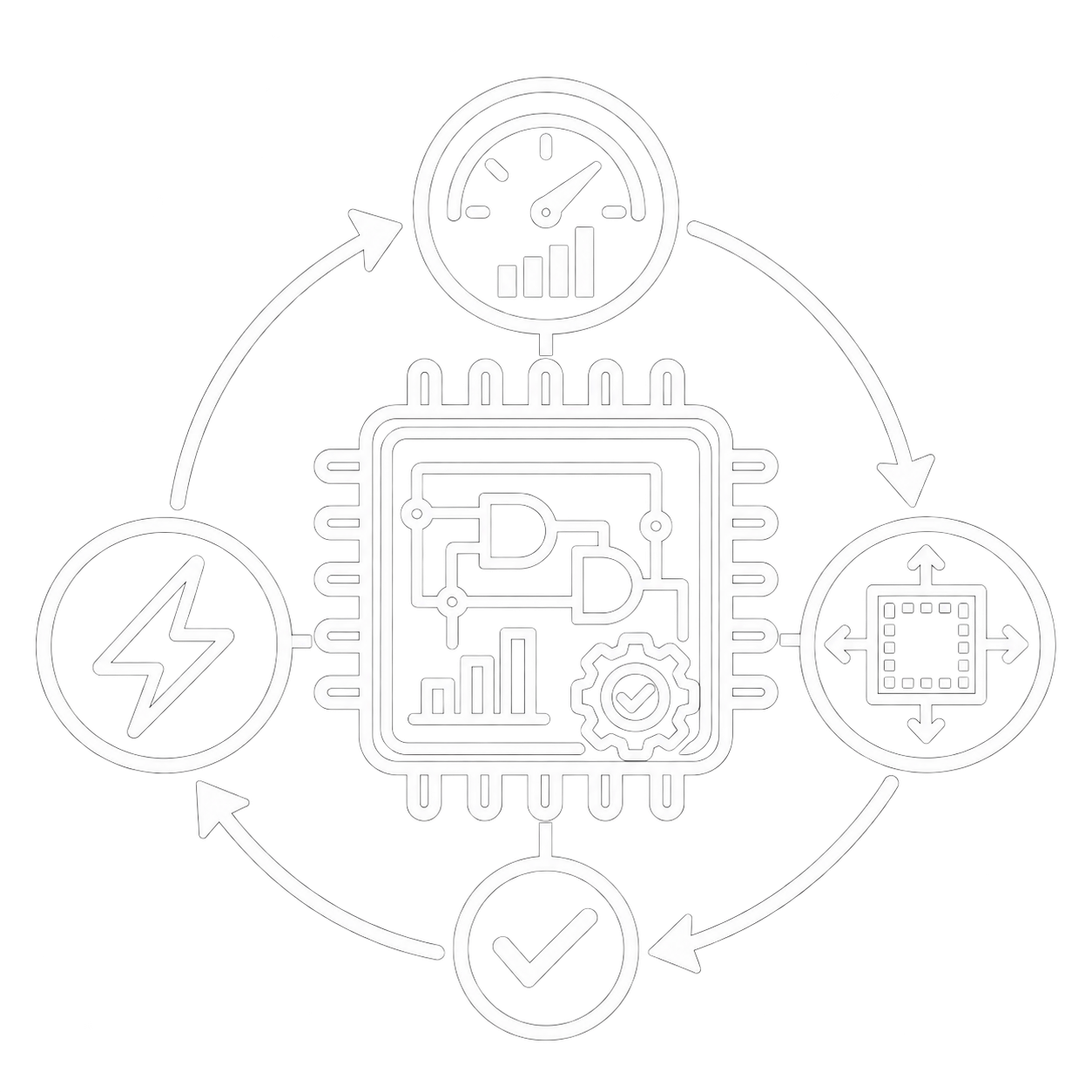
sta pg PPA Optimization

PPA Optimization

Optimizing power, performance, and area while maintaining functional and timing requirements.
Verification Capabilities

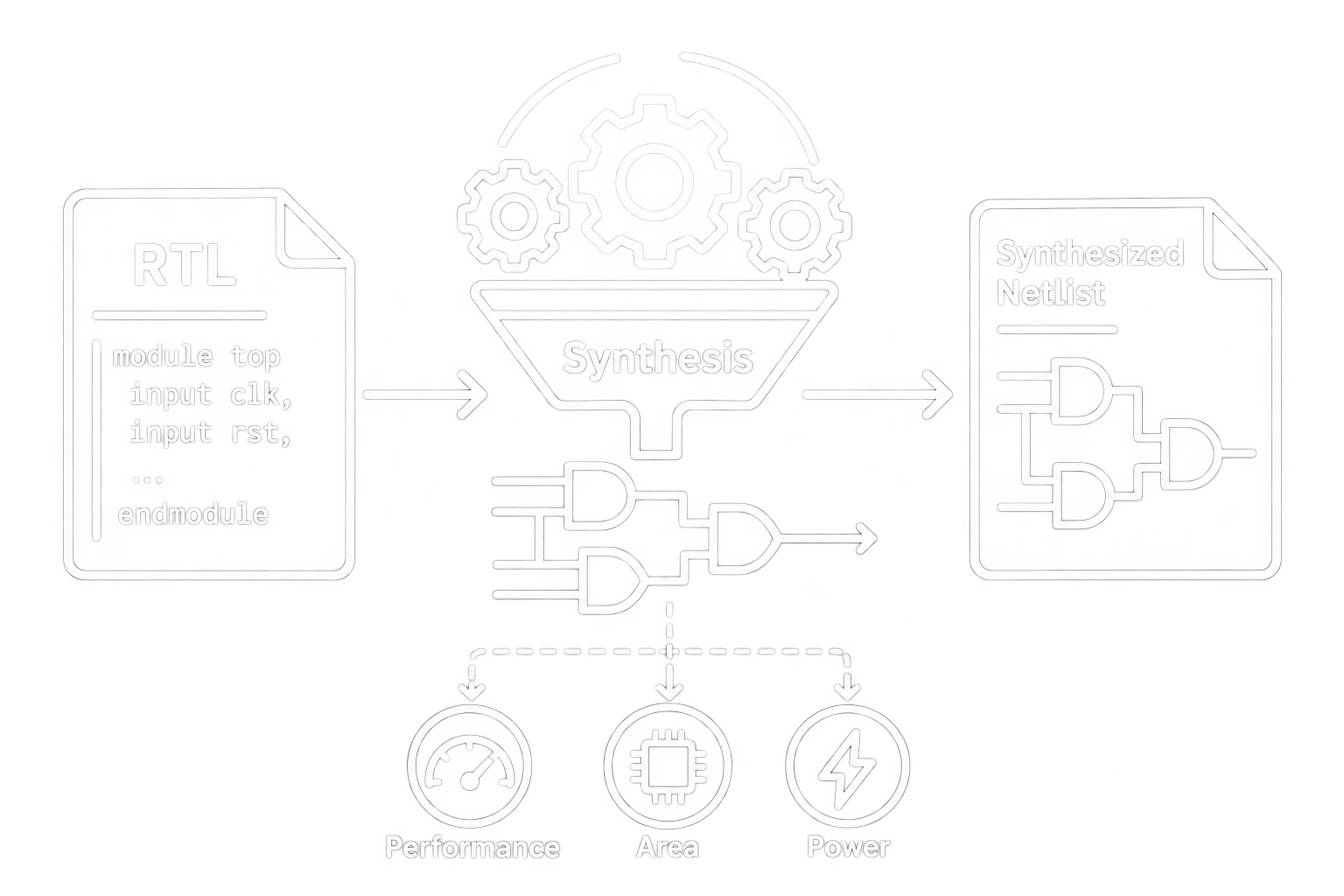
sta pg Logic Synthesis

Logic Synthesis

Generating optimized gate-level netlists from RTL based on defined design constraints.
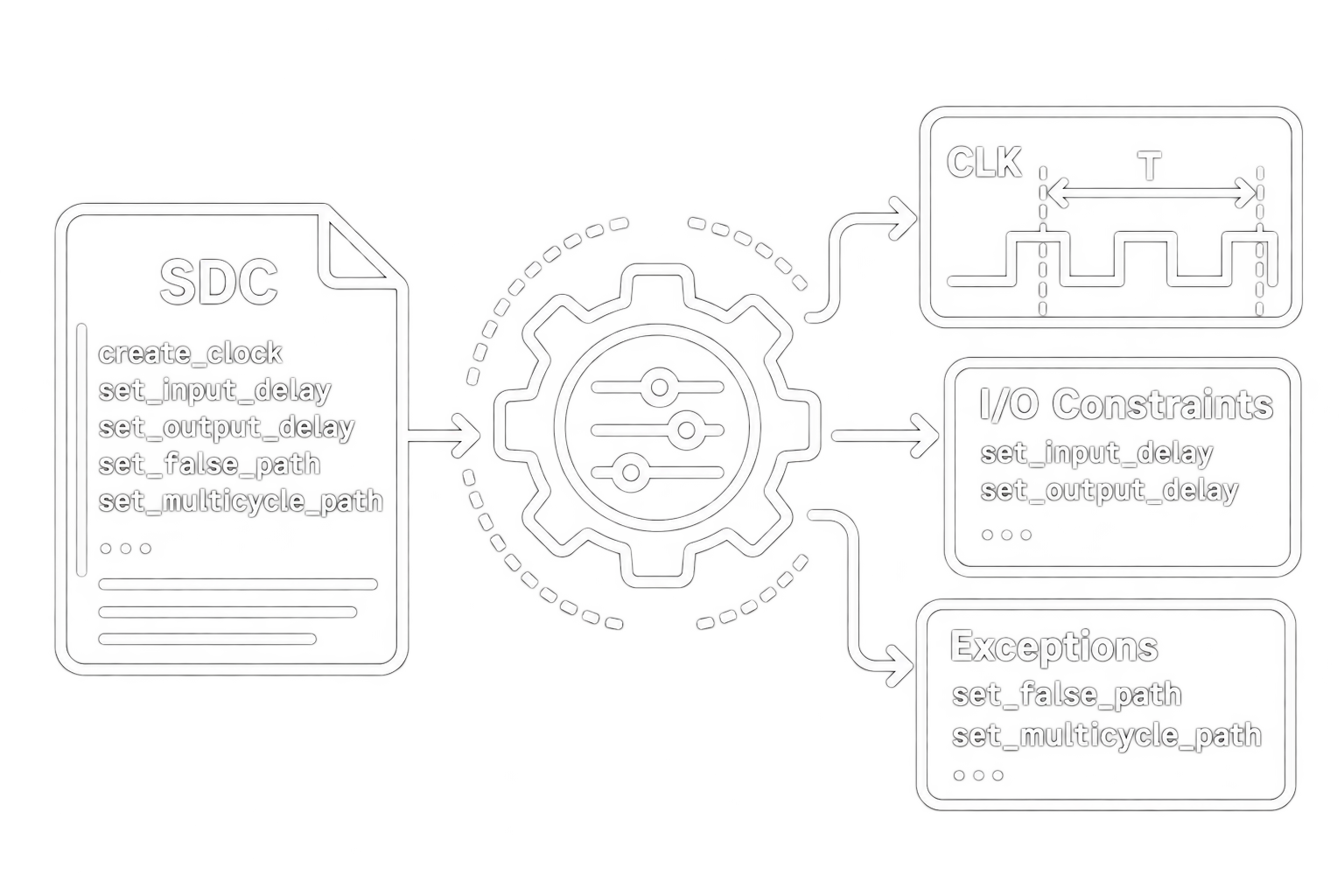
sta pg Constraint Development

Constraint Development

Creating and validating clocks, I/O constraints, exceptions, and other timing requirements.
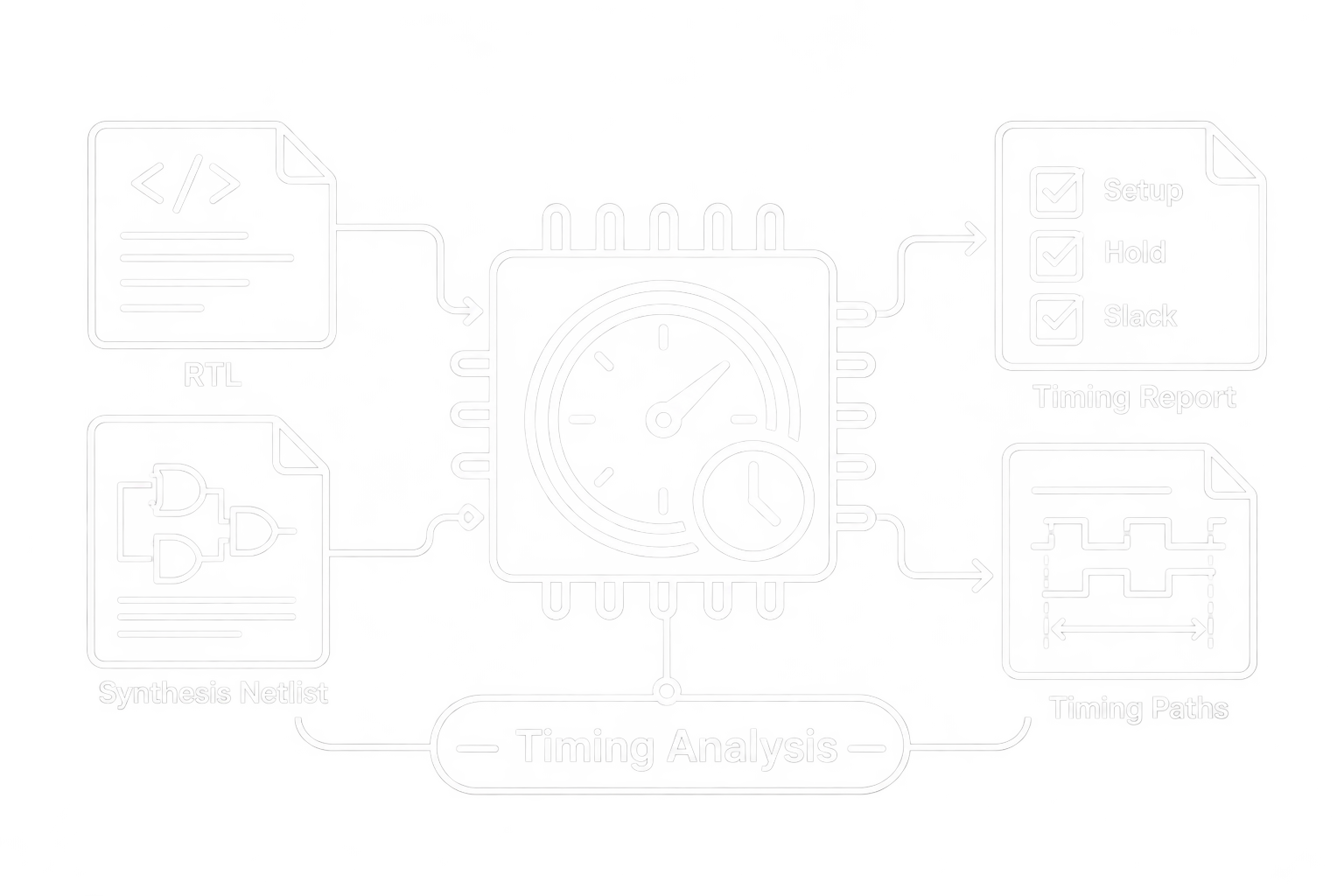
sta pg Timing Analysis

Timing Analysis

Analyzing setup, hold, clock, and data paths to identify and resolve timing issues.
robot-circle
qai
sta pg Timing Optimization

Timing Optimization

Improving critical paths and addressing timing violations through systematic optimization.
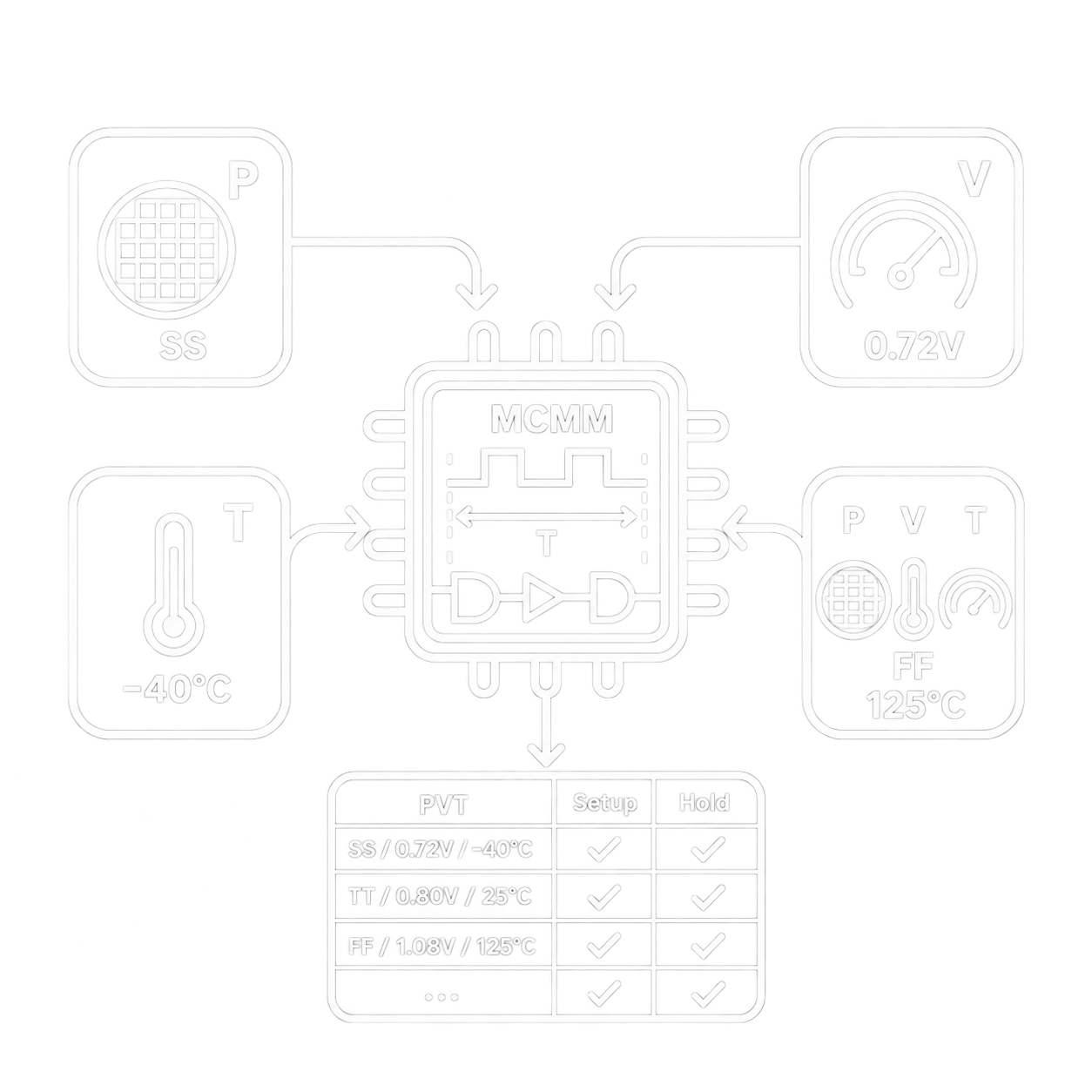
sta pg Multi-Corner Analysis

Multi-Corner Analysis

Evaluating design timing across different process, voltage, and temperature conditions.
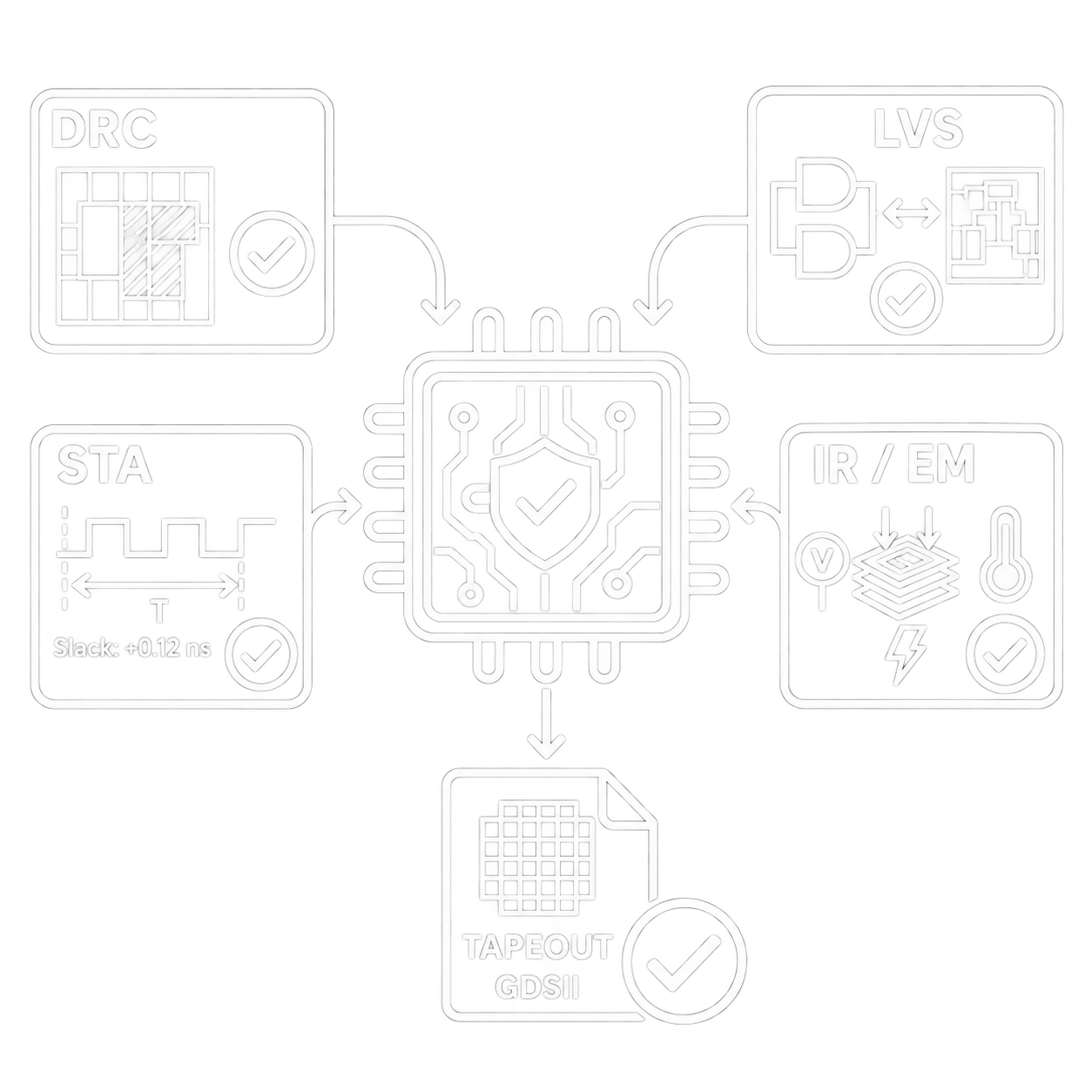
sta pg Signoff Analysis

Signoff Analysis

Performing comprehensive STA to ensure the design meets required timing targets before implementation and signoff.

Why QAI for Bare Metal?

PPA-Focused Optimization

Balancing power, performance, and area to meet demanding design targets.


Constraint-Driven Approach

Accurate timing constraints that reflect real design requirements.


Early Issue Identification

Finding timing and optimization challenges early to reduce downstream iterations.


Implementation-Ready Results

Delivering optimized netlists and timing analysis that support a smooth physical design flow.